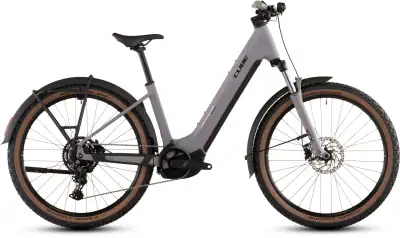
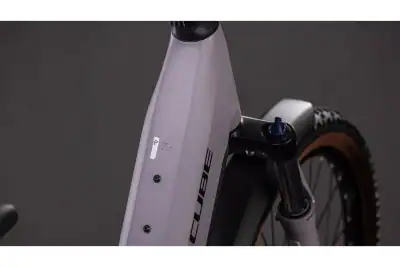
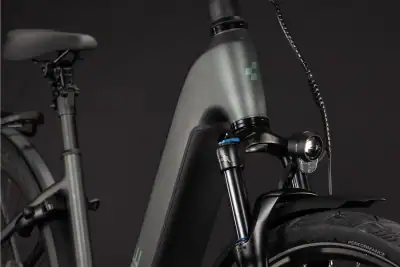
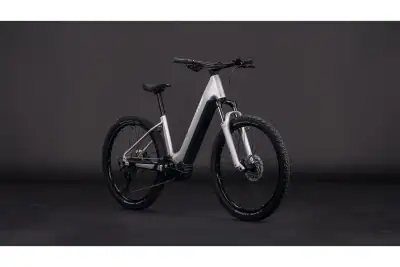
Cube Reaction Hybrid Performance 600 FE - 600 Wh - 27.5 inch - Tiefeinsteiger - 2026
€1,839.99
- Available online, 3–5 working days
- 12 variants · Sizes S–One size
Models: 2,501
E-bikes for everyday use, touring and trails: trekking, city, SUV, e-MTB and cargo bikes. Delivered ready to ride, 30-day returns, advice in our buying guides.
2,501 models · Page 1 of 105
€1,839.99
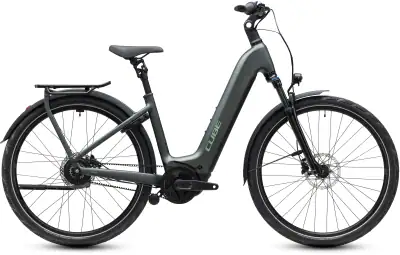
€3,039.20

€3,839.20
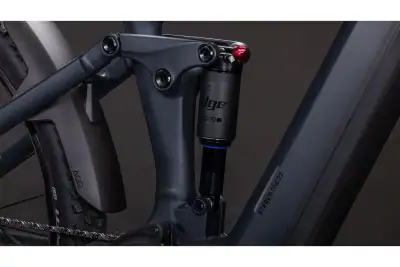
€2,519.99
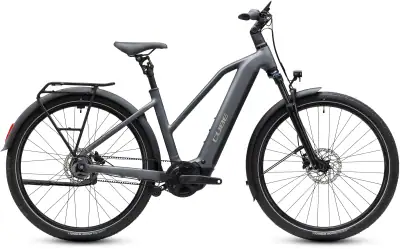
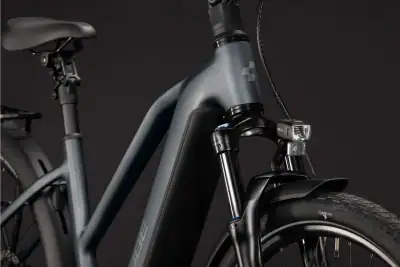
€2,719.20
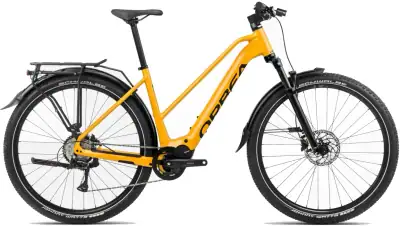
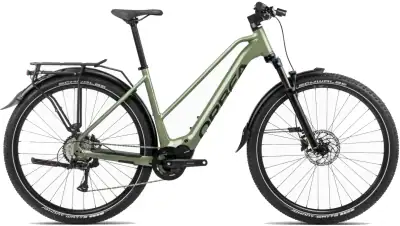

from €1,759.99
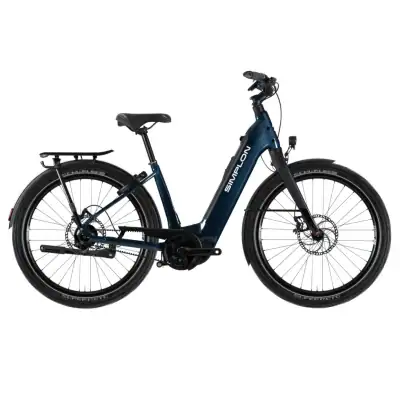
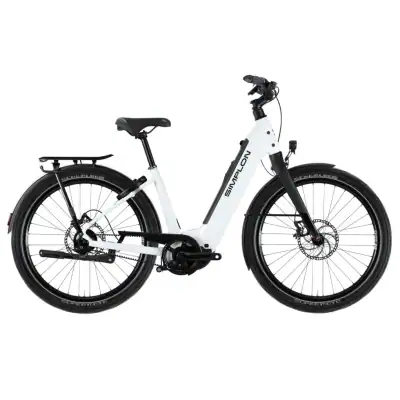

€2,135.20
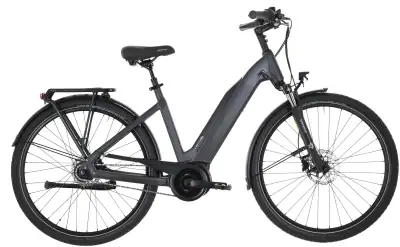
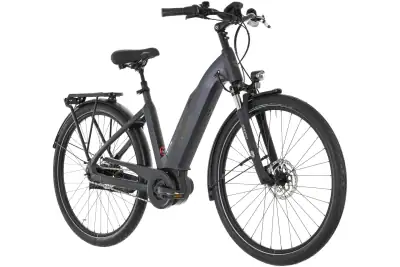

€1,599.99
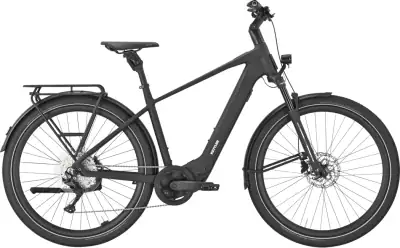
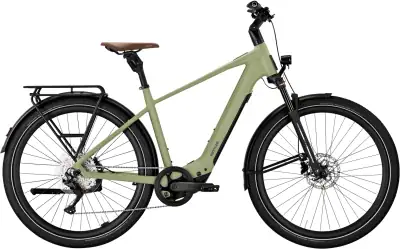

from €1,759.99
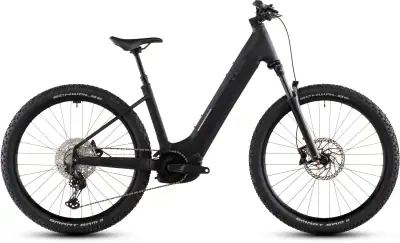
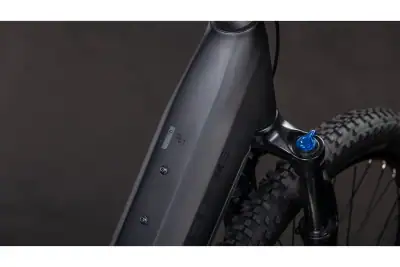
from €1,759.99
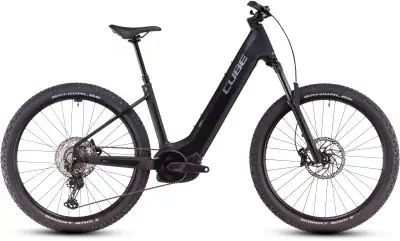
from €1,919.99
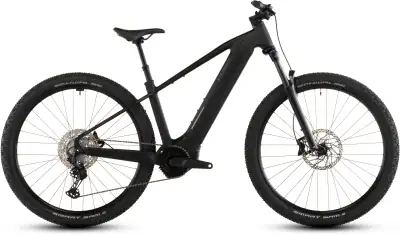
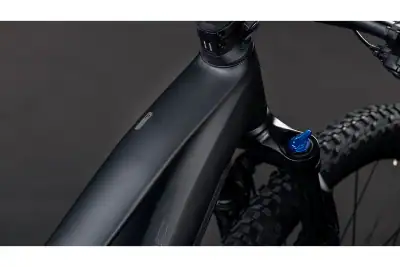
from €2,079.99
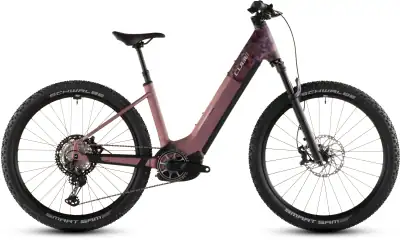
from €2,559.99
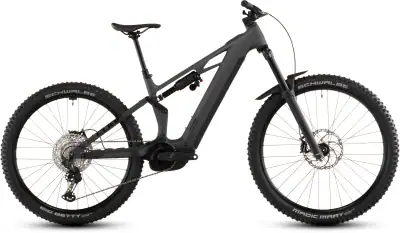
from €3,039.99
from €2,519.99
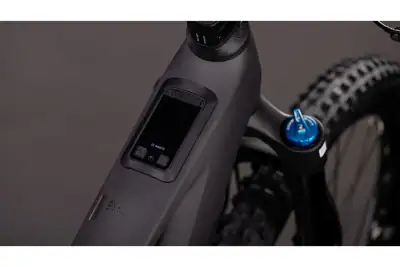
from €3,199.99
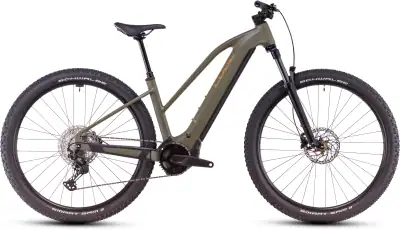
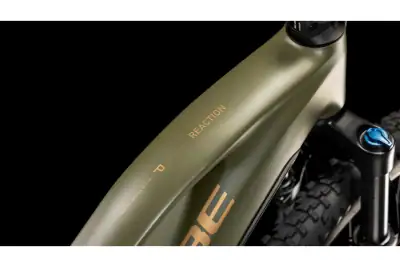
from €2,159.99
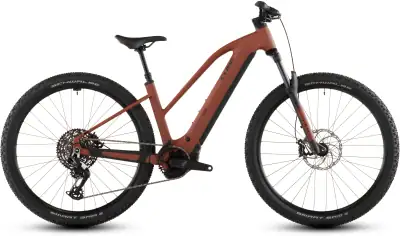
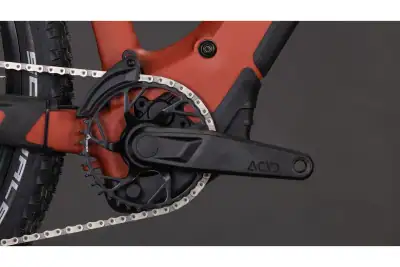
from €2,239.99
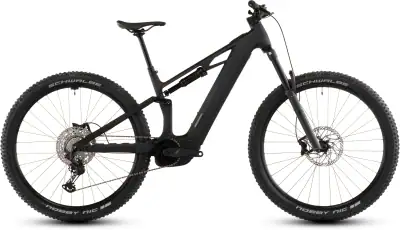
from €2,479.99
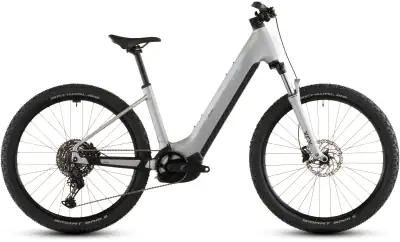
from €1,759.99
from €1,919.99
from €2,879.99
from €3,279.99
from €2,719.99
An e-bike makes distances shorter, hills flatter and headwinds more bearable. Whether you commute to work every day, go on tours at the weekend or do the shopping: with motor assistance you arrive more relaxed and without a sweaty shirt. Legally, most e-bikes are so-called pedelecs. The motor only assists you while you are pedalling and cuts out at 25 km/h. The rated continuous power is a maximum of 250 watts. That is why you need neither a driving licence nor an insurance plate, and you may use cycle paths as normal.
More important than any data sheet is the question of how you want to ride. For flat city routes, a moderate motor with a smaller battery is enough. If you ride many metres of elevation or carry heavy loads, you benefit from a mid-drive motor with high torque. Battery capacity is given in watt-hours (Wh). How far you get depends heavily on weight, terrain, assistance level, tyre pressure and temperature. You will find a detailed assessment in our guide to e-bike batteries and range.
The right frame size is just as important. A frame that is too large or too small feels unsafe and can put strain on your knees and back over time. With our frame size guide you can determine your size based on height and inside leg length. We explain all other criteria such as motor position, gears, brakes and frame shape in our e-bike buying advice.
We ship your order by parcel service or freight forwarder, pre-assembled and ready to ride. In most cases you only need to align the handlebars and pedals, set the saddle height and charge the battery. Shipping within Germany is free; all details are on the Shipping and delivery page. If the bike does not suit you after all, you can return it under our returns policy. Information on statutory warranty and manufacturer's warranty, including for motor and battery, can be found under Warranty and guarantee.
Unsure whether you need a classic bike or an e-bike? Take a look at our bikes without a motor too. Many riders use both: the e-bike for everyday use and a lightweight bike for sporty rides.
Alongside classic pedelecs, there are S-pedelecs that assist up to 45 km/h. Legally they are light motorcycles: you need an insurance plate, at least an AM class driving licence and a suitable protective helmet, and cycle paths are generally off-limits. For most everyday journeys, a pedelec up to 25 km/h is the simpler choice. However, if you commute long distances on country roads, an S-pedelec can save you a lot of time.
An e-bike needs hardly any more care than a normal bicycle, but it puts slightly more strain on the chain, sprockets and brake pads. Check tyre pressure and brakes regularly, keep the chain clean and lubricated, and have the bike inspected once a year at a workshop. It is best to store the battery in a dry place at room temperature, ideally partially charged in winter.
For a pedelec with assistance up to 25 km/h and a maximum rated continuous power of 250 watts, you need neither a driving licence nor an insurance plate. Private liability insurance that covers pedelecs is still worthwhile. Different rules apply to S-pedelecs up to 45 km/h.
That depends on battery capacity, assistance level, terrain, total weight, tyre pressure and temperature. A blanket figure is therefore not very meaningful. Our guide to batteries and range explains how to estimate your needs realistically.
No, the bikes arrive pre-assembled and ready to ride. As a rule, you only need to align the handlebars and pedals, adjust the saddle and handlebars to suit you and fully charge the battery before your first ride.
A mid-drive motor sits at the bottom bracket, ensures balanced weight distribution and uses the gears too. It has the advantage on climbs and off-road. Hub motors in the rear or front wheel are often quieter and low-maintenance and are well suited to flat routes in the city.