Vici
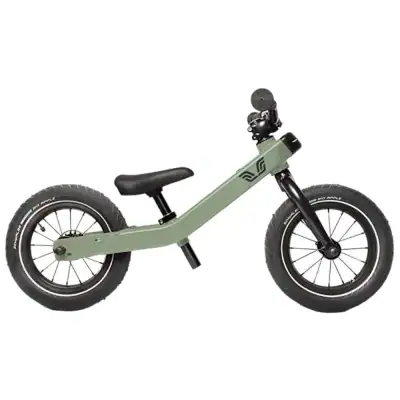
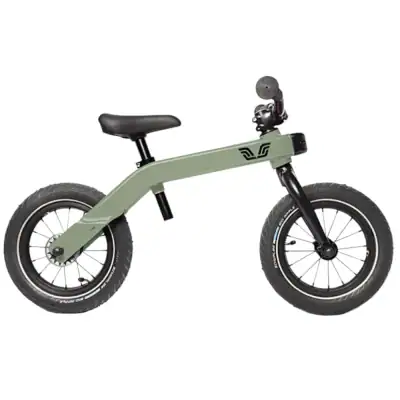
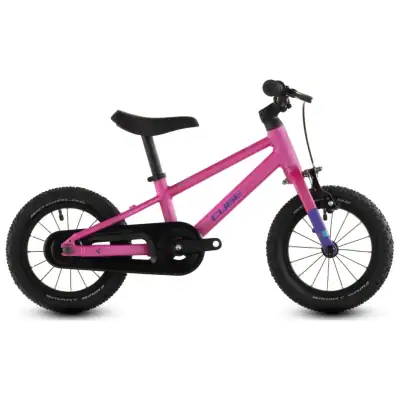
Vici Grow 12'' Kids' Bike / Balance Bike - 2025
from €191.20
- Available online, 3–5 working days
- 6 variants · Sizes One size
Models: 122
Kids' bikes, balance bikes, kids' MTBs and kids' e-bikes: choose by size and age, delivered pre-assembled and ready to ride, with 30 days to return.
122 models · Page 1 of 6
Vici
from €191.20

from €279.20
Academy
from €327.19
Vici
€343.99
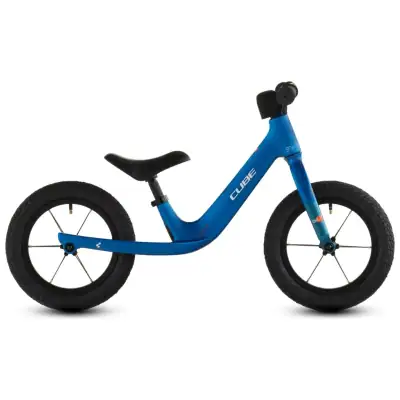

€79.20
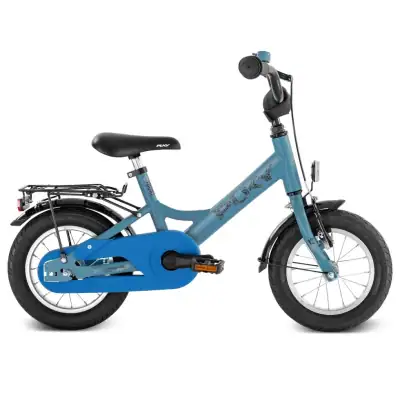
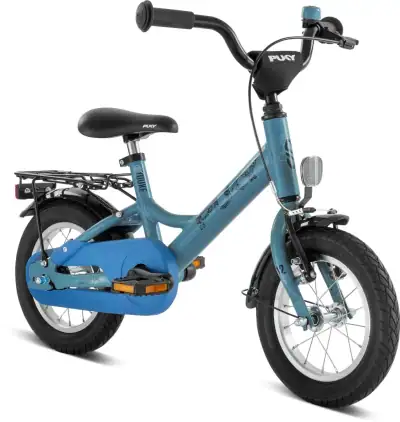

from €175.19
Academy
from €255.19
from €279.19
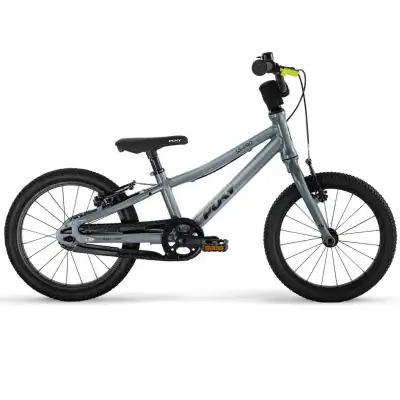
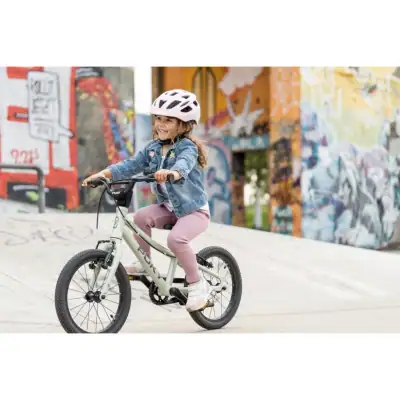
€287.99
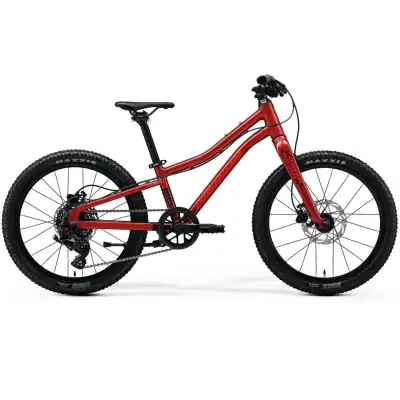
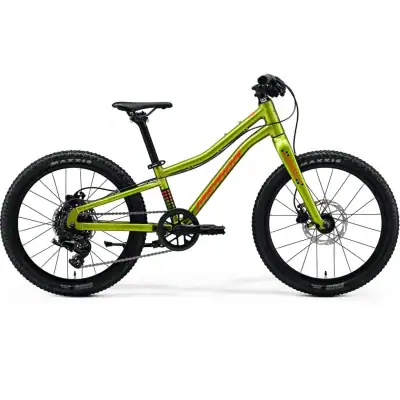

from €439.99

from €447.20

€447.20
€479.20
€503.20
€535.20
from €47.99
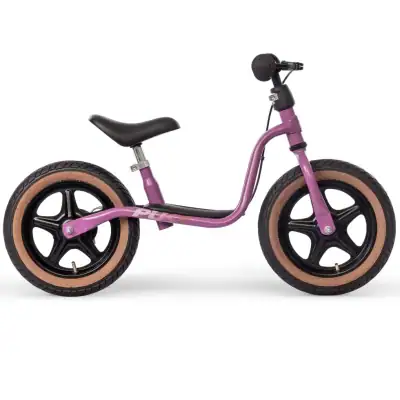
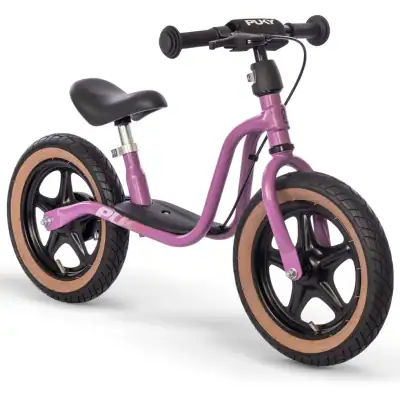
from €75.99
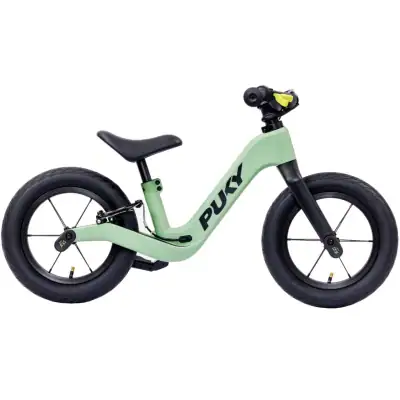
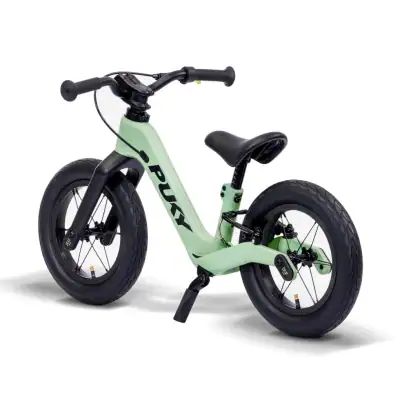
from €105.59
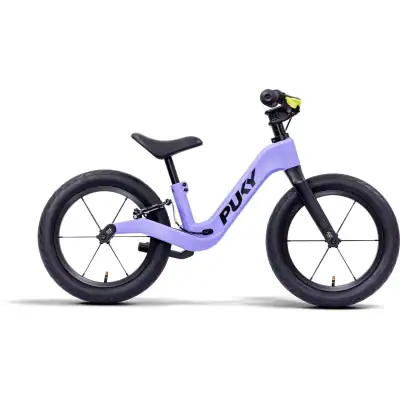
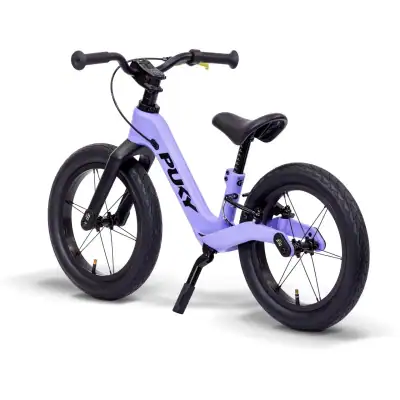
from €107.99
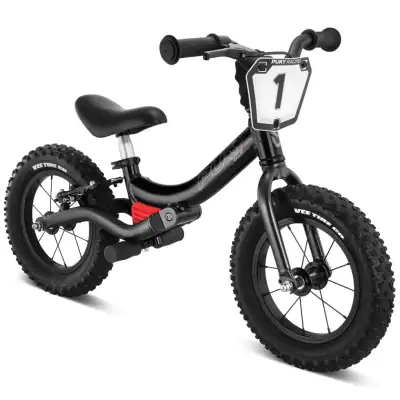
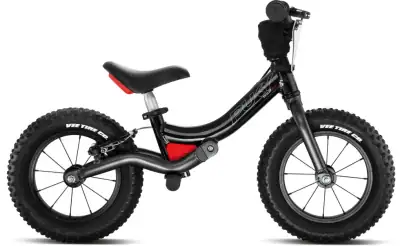
from €201.59
from €207.20
€239.20
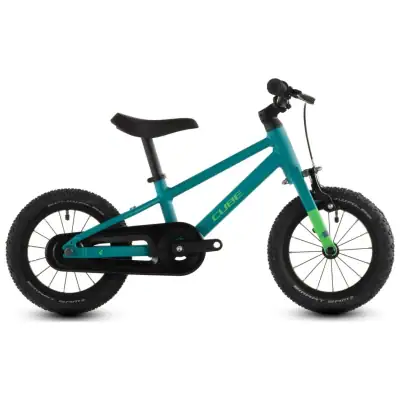
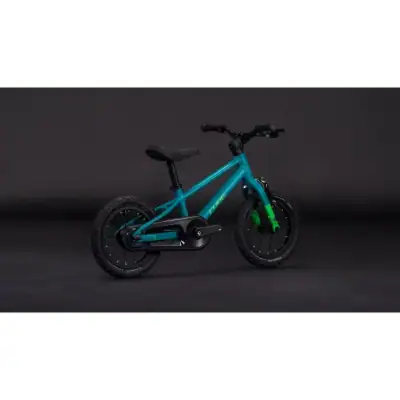
€263.20
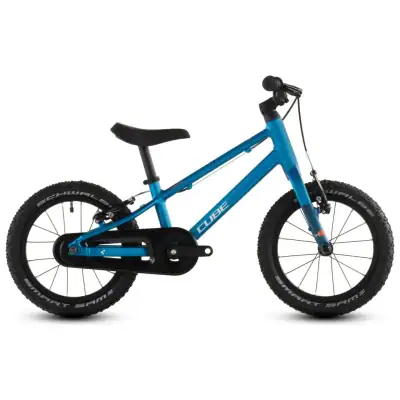
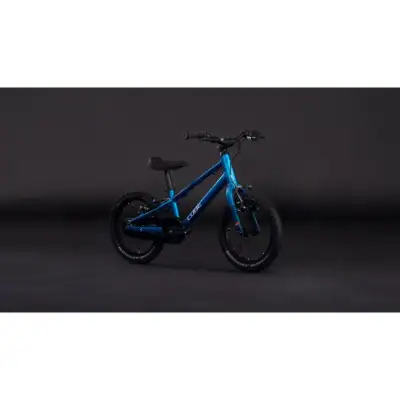
€279.20
Above all, a kids' bike should do one thing: be fun and give your child confidence. That only works if the bike fits your child's size. A bike that is too big “to grow into” is harder to control, your child cannot reach the ground safely and quickly loses interest. So go by height and inside leg length. Our guide to kids' bike sizes explains how to measure correctly and which wheel size typically suits which age.
Weight: a kids' bike should be as light as possible in relation to your child's body weight. Light bikes are easier to steer, to set off on and to lift over a kerb.
Brakes: make sure the brake levers are easy for small hands to reach and can be pulled with little force. Many models have adjustable reach.
Gearing: for beginners, a bike with no gears or just a few is often the better choice. More gears are worthwhile once your child rides confidently and you go on hilly routes.
Road equipment: if your child rides on public roads, the bike needs the equipment required by StVZO, such as lights, reflectors and a bell. Check the product description to see what equipment is fitted.
Tyres and suspension: wider tyres offer more grip and comfort, especially on gravel or forest tracks. A suspension fork is rarely necessary on small kids' bikes and often just adds weight. It can make sense once children are older and enjoy riding off-road.
On most kids' bikes, the seatpost and handlebars can be adjusted in height. This means a bike often fits over a certain period. Check the setting regularly, because children grow quickly. At the latest when the knees hit the handlebars while pedalling or the seatpost is pulled out to the mark, it's time for the next size. Well-maintained kids' bikes can often then be passed on to younger siblings.
A well-fitting helmet is simply part of the deal for children, even though there is no helmet requirement in Germany. Practise the first rides in quiet places and explain the most important traffic rules to your child. Children up to the age of eight must use the pavement with their bike, and up to the age of ten they may do so.
Our kids' bikes are delivered pre-assembled, so as a rule you only need to attach the handlebars and pedals and set the saddle height. If the size doesn't fit after all, our voluntary returns policy helps you out. You'll find all the information on delivery times and costs under Shipping and Delivery.
Many children start at around two years old, as soon as they can walk confidently. More important than age is that your child can put both feet flat on the ground when sitting on the saddle.
Better not. A bike that's too big is harder to control and makes your child feel unsure. Choose the size that fits now and use the adjustment range of the seatpost and handlebars.
Children who have ridden a balance bike before usually manage without stabilisers because they already have their balance. Stabilisers can even delay learning to balance.
Have your child stand barefoot with their back against a wall, clamp a book horizontally between their legs and measure from the floor to the top edge of the book.