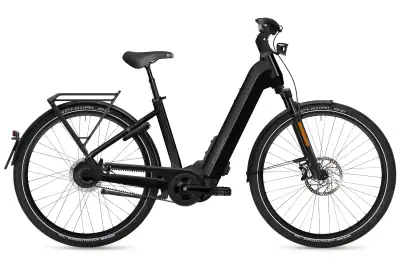

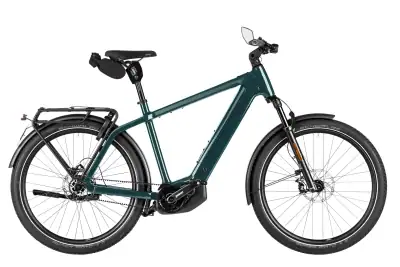
Flyer G1 Upstreet 7.23 HS EU (NL lock) - 630 Wh - 28 inch - Step-through
€2,399.99
- Available online, 3–5 working days
Models: 4
S-pedelecs with assistance up to 45 km/h for fast commutes. Everything on insurance plates, AM licence, helmet requirement and rules on cycle paths.
4 models
€2,399.99
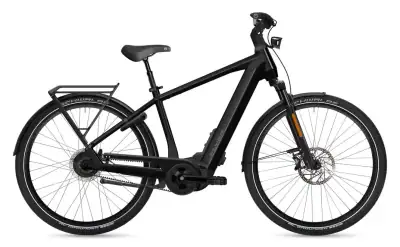
€2,799.99
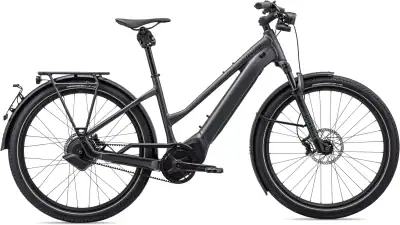
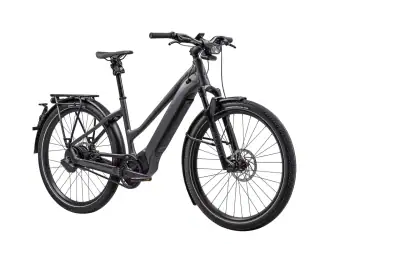

€3,439.99

€6,479.20
An S-pedelec, also called a speed pedelec, assists you not only up to 25 km/h but up to 45 km/h. That makes commutes of 20 kilometres or more realistic in everyday life, and you're often about as fast as by car or train. The motor still only works when you pedal. Legally, however, an S-pedelec is no longer a bicycle but a light motor vehicle in vehicle class L1e-B.
In Austria, separate registration rules apply to S-pedelecs. Check with your registration office or insurer before buying.
If your commute is long and mostly along country roads or wide streets, an S-pedelec can replace a car. Bear in mind that energy consumption rises at high speeds and you should expect a shorter range than with a pedelec. For mostly inner-city routes with many cycle paths, a classic e-trekking bike is often more practical. The e-bike buying guide and the guide to batteries and range provide more background.
You need at least driving licence class AM. If you have a class B car licence or a motorcycle licence, AM is already included. The minimum age is 16.
Generally no, neither in urban nor rural areas. The exception is cycle paths that are expressly permitted for S-pedelecs by an additional sign. Otherwise you ride on the road.
Generally not. A suitable protective helmet is required. There are specially tested helmets for S-pedelecs that offer more protection at higher speeds but are lighter and better ventilated than a motorcycle helmet.
You get the insurance plate from a motor vehicle insurer, often online too. It is valid for one insurance year from 1 March and must then be renewed. To take out the policy, you usually need the vehicle details from the certificate of conformity.
Only to a limited extent. Components that affect the type approval, such as tyres, brakes, handlebars, lights or the drive, may only be replaced with approved parts. Otherwise the operating permit can lapse and insurance cover may be at risk.