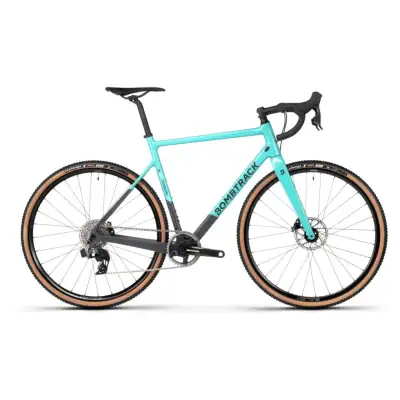
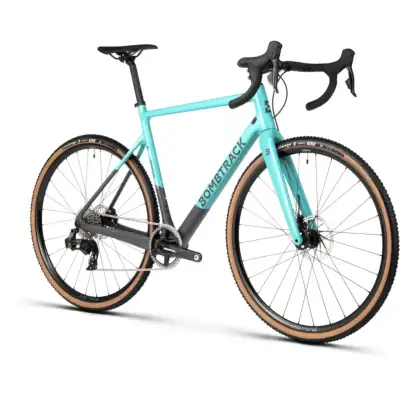

Bombtrack TENSION C - Rival AXS - Carbon Cyclocross Bike - 2026
from €2,639.20
- Available online, 3–5 working days
- 4 variants · sizes M (54cm)–L (56cm)
Models: 5
Cyclocross bikes for off-road races, winter training and fast laps off the beaten track: agile, robust and easy to shoulder. Delivered ready to ride.
5 models
from €2,639.20
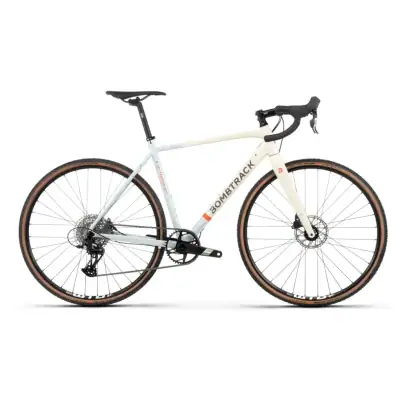
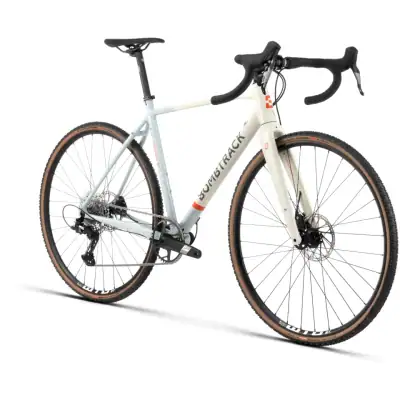
€1,623.20
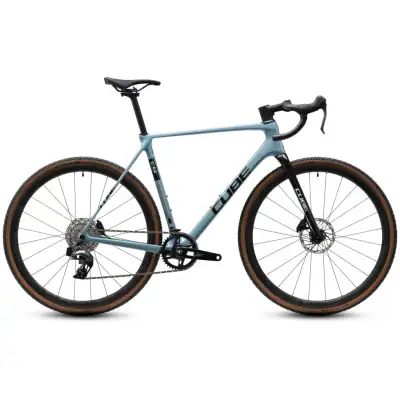

€1,999.20
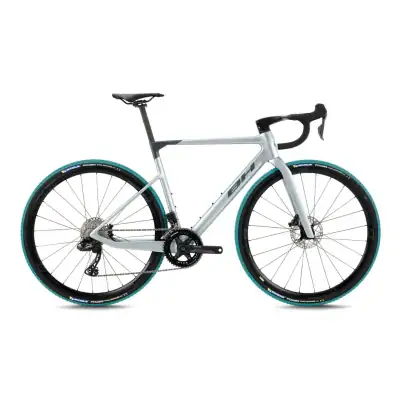
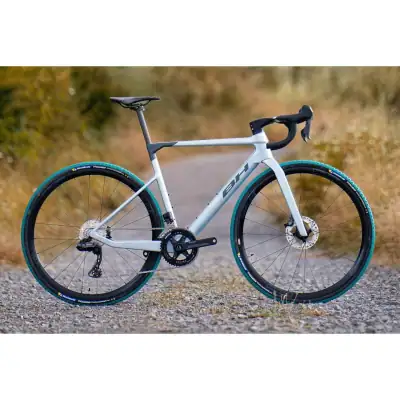

€2,695.20
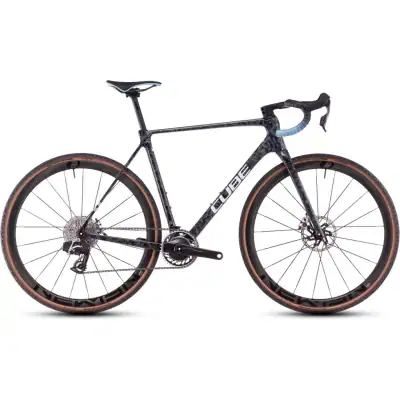
€3,759.20
Cyclocross is a long-established discipline, ridden mainly in autumn and winter. Races lead over meadows, forest tracks, sand and mud, often with obstacles where you dismount and carry the bike. A cyclocross bike is built accordingly: light, agile, robust and easy to shoulder.
At first glance, the two look similar. However, a cyclocross bike is uncompromisingly designed for racing: shorter, more agile and focused on quick changes of direction. A gravel bike is more stable, usually offers more tyre clearance and mounting points for luggage, and is better suited to long tours and bikepacking. If you don't want to race, the gravel bike is often the more versatile choice; more on this in our guide Gravel bike or road bike.
Many cyclocross bikes use a single-chainring drivetrain because it's less prone to mud and simpler to operate. Disc brakes provide consistent braking performance in wet and muddy conditions.
Many clubs and organisers offer hobby and amateur classes in which you can start without a licence. Practise mounting and dismounting while moving beforehand; this saves valuable seconds in a race.
Mud and sand take their toll on the chain, cassette and bearings. Clean the bike thoroughly after every ride and re-oil the chain. Check wear parts such as the chain, brake pads and tyres regularly; what counts as wear is explained on our Warranty and Guarantee page. Cyclocross bikes are usually supplied without StVZO equipment.
Yes, it's robust and fast. However, for road use you need StVZO-compliant lights, reflectors and a bell, and it often lacks mounting points for luggage.
That's set by the regulations of the respective organiser or association. Find out before the race which maximum width applies.
Usually you shoulder it by placing the top tube on your shoulder and reaching through under the down tube to grab the handlebar. For short obstacles, you lift the bike by the top tube.